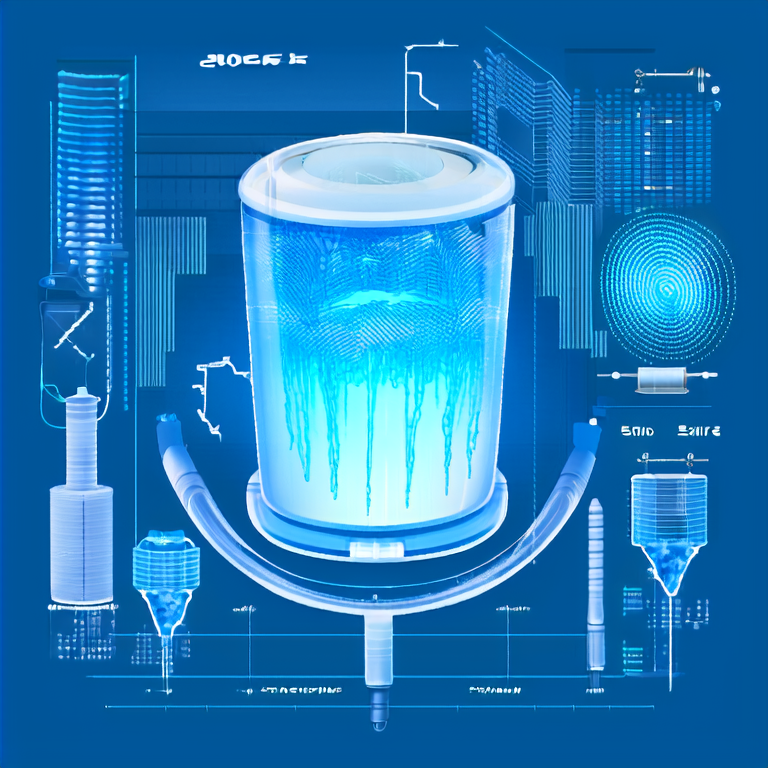
For aquaculture professionals aiming to enhance biosecurity and manage microbial threats effectively, understanding the key factors influencing UV sterilization is crucial. The persistent challenge of waterborne pathogens can significantly increase fish mortality rates — which in some cases can exceed 30% annually. Aquaculture UV Sterilizers represent a profound solution to these issues, leveraging advanced technology to provide cleaner environments for aquatic life. By addressing pain points such as disease outbreaks and water quality degradation, this article will guide aquaculture managers to optimize their sterilization processes and achieve sustainable yields.
To appreciate the impact of UV sterilization, it's essential first to grasp the underlying principles and terminology. UV light operates within the electromagnetic spectrum, specifically from wavelengths of 200 to 400 nanometers, which effectively damages the DNA of microorganisms. This damage results in their inability to reproduce, culminating in decreased populations of harmful bacteria and viruses in aquatic environments. Key professional terms in this context include:
Research indicates that the most effective UV wavelength for sterilization is 254 nanometers, achieving a 99.9% reduction rate of pathogens in controlled studies. Variations in wavelength can alter the effectiveness, making the choice of UV lamp critical for Aquaculture UV sterilizer systems.
Water turbidity and total suspended solids (TSS) can severely impede UV effectiveness. According to recent studies, for every 1 NTU increase in turbidity, UV transmission can decrease by up to 10%. Thus, pre-filtration systems using coagulation methods can enhance clarity, allowing for improved UV penetration.
The relationship between flow rate and contact time is pivotal. An optimal flow rate ensures that water remains in contact with UV light long enough to achieve effective disinfection. For example, maintaining a flow rate of 30 gallons per minute (GPM) allows for a 15-second exposure, which has been shown to inactivate approximately 98% of E. coli in aquaculture trials.
Regular maintenance of UV lamps is imperative. UV lamp efficacy diminishes over time, with an average output reduction of about 20% per year. Routine checks and timely replacements can ensure consistent sterilization performance, preventing infection rates from spiking suddenly.
An effective system design that allows for optimal water flow and UV exposure is critical. Considerations such as chamber size and configuration can impact the overall efficiency. Advanced modular designs, like those developed by Guanyu, ensure optimal water distribution and minimized dead zones, enhancing the sterilization process.
Continuous monitoring systems that track UV intensity and water quality parameters enhance operational efficiency. Studies show that real-time monitoring can improve disinfection efficacy rates by up to 25% through timely adjustments and alerts, ensuring aquaculture managers can proactively address facility needs.
What is the ideal UV dose for effective pathogen elimination?
Research indicates that a UV dose of 30 mJ/cm² can effectively inactivate most pathogens in aquaculture systems.
How often should I replace UV lamps?
Typically, UV lamps should be replaced every 12 months to maintain optimal disinfection efficiency.
Can UV sterilizers be used in conjunction with other disinfection methods?
Yes, combining UV sterilization with ozone and mechanical filtration often results in enhanced pathogen removal and overall system health.
For further insight, consider diving into resources such as “UV Light: Technologies and Applications in Aquaculture” and exploring case studies demonstrating the effectiveness of UV in large-scale fish farming operations. Various academic journals also present data on innovative methane and biofloc systems that synergize with UV technologies for superior results.
For those in need of reliable UV sterilization solutions, Guanyu offers advanced Aquaculture UV sterilizers tailored to various aquaculture applications. Their systems not only meet high standards of disinfection but also come equipped with cutting-edge features for monitoring and efficiency optimization. Connect with Guanyu to explore the best UV sterilization options for your aquaculture needs.