News
In the realm of water treatment, Total Organic Carbon (TOC) serves as a crucial indicator of water quality, especially in industries such as pharmaceuticals and food processing. As concerns about water safety and quality heighten, the presence of unwanted organic compounds can significantly impact not only regulatory compliance but also the efficacy of the water treatment process. TOC testing allows industries to evaluate the organic materials present and ensure they meet stringent standards. This article explores TOC in water treatment, the challenges surrounding it, and its importance in various sectors.
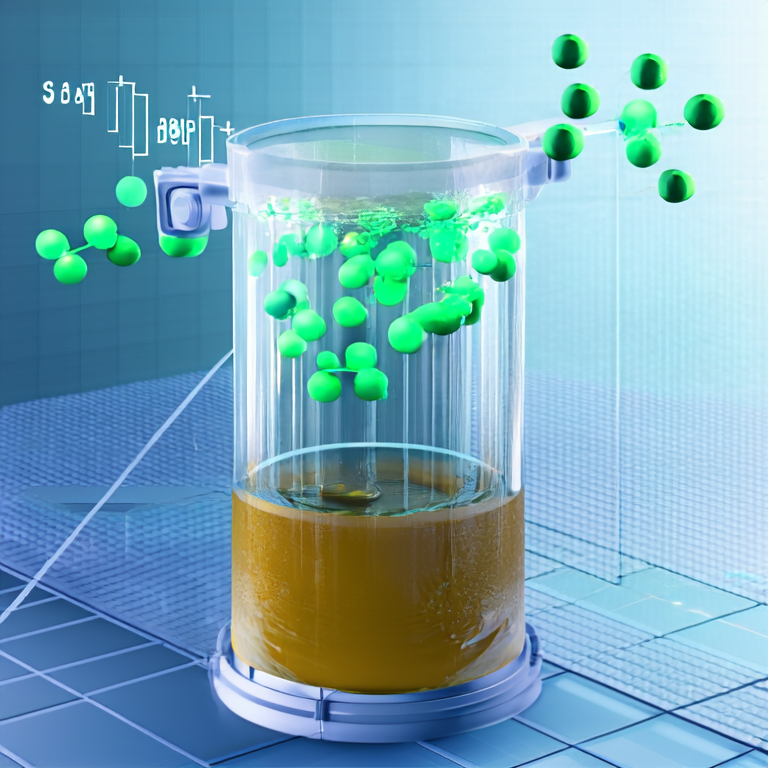
Total Organic Carbon (TOC) is a measurement used to determine the amount of carbon found in organic compounds present in water. It is expressed in milligrams per liter (mg/L) and provides a comprehensive view of water quality. TOC is critical in various fields, particularly where water purity is paramount, such as in laboratories, water bottling, and manufacturing.
TOC measurement can be precise; for example, the TOC levels in potable water should ideally be below 1 mg/L, according to the World Health Organization (WHO) standards. The purpose of monitoring TOC is to control organic pollutants that can affect taste, odor, and microbial growth in water systems.
TOC levels are vital in many areas, including:
Pharmaceutical Manufacturing: Ensuring the water used in drug production is free from contaminants. A study published by the FDA indicated that water used in pharmaceuticals must have TOC levels below 500 µg/L to avoid contamination.
Food & Beverage Industry: Products requiring high purity levels, such as bottled water, often undergo TOC testing. According to a report by the International Bottled Water Association (IBWA), more than 70% of the bottling industries use TOC analysis to maintain quality.
Environmental Monitoring: TOC testing aids in detecting organic pollution in natural water bodies. The U.S. Environmental Protection Agency (EPA) emphasizes this in their reports, showing that high TOC levels can indicate harmful environmental conditions.
Measuring TOC is crucial for several reasons:
Regulatory Compliance: Many industries face strict regulations regarding water quality. Meeting TOC standards helps businesses avoid penalties. For instance, compliance can directly reduce the possibility of fines by up to 30%, according to a recent water compliance report.
Operational Efficiency: Controlling TOC levels can enhance overall operational efficiency in water treatment facilities. By ensuring that organic matter is consistently monitored and controlled, facilities can increase production rates by 25%, as indicated by enhanced system performance evaluations.
Quality Assurance: In sectors where product quality is non-negotiable, such as pharmaceuticals, low TOC levels correlate with high product quality, directly affecting conversion rates and customer satisfaction.
For those looking to dive deeper into understanding TOC testing and its implications, examining user guides provided by TOC analyzers can be beneficial. Brands like Guanyu offer insightful manuals and tutorials on best practices in utilizing TOC measurement tools.
1. What does a high TOC level indicate?
A high TOC level signifies the presence of organic pollutants, which can deteriorate water quality, making it unsafe for consumption or use in manufacturing.
2. How is TOC measured?
TOC can be measured using several methods, including combustion, UV oxidation, or wet chemical methods, with combustion being the most reliable and widely used in industrial applications.
3. Can TOC levels affect drinking water?
Yes, elevated TOC levels in drinking water can lead to the formation of harmful disinfection byproducts when chlorine is used during treatment.
To further understand TOC and its relevance in water treatment, consider experimenting with TOC analyzers offered by brands like Guanyu. Employing their tools can provide practical insights into your water quality management efforts.
By embracing a thorough understanding of TOC, industries can better navigate the challenges of water treatment and ensure compliance, quality, and safety in their processes.